概述
In the passionate world of sneaker collecting, few things are more frustrating—or more costly—than mistaking a modern reissue for an original grail. Version differences in iconic models like the Air Jordan 1, Nike Dunk, or Adidas Yeezy Boost can dramatically affect rarity, historical significance, and market value. An OG 1985 Air Jordan 1 'Bred' recently fetched over $16,000 at auction due to its untouched condition and precise period details, while a faithful 2025 retro might retail for $200 but lacks the same provenance and subtle manufacturing quirks. These variations stem from evolving production techniques, material sourcing, branding updates, and Nike's (or Adidas') efforts to 'remaster' classics for contemporary feet. Spotting them requires a trained eye for details like silhouette shaping, stitching patterns, tag fonts, outsole wear characteristics, and even minor color shifts. This guide equips serious collectors with actionable techniques to differentiate versions confidently, helping you build a more authentic, valuable collection while avoiding common pitfalls in the resale market.
Understanding Key Terminology: OG vs Retro vs Remastered
The foundation of version identification starts with clear terminology. 'OG' refers to the original release year—think 1985 for the Air Jordan 1 or 2003 for certain Nike SB Dunks. These command premium prices due to historical context and often superior (or uniquely flawed) early production quality. 'Retro' means a re-release, often decades later, aiming to replicate the original but frequently incorporating updated midsoles, glues, or slight shape tweaks for modern comfort. Since 2015, many Jordan Brand retros have been 'remastered' with closer attention to OG specs, like improved leather quality and accurate Swoosh placement. For example, pre-2015 Jordan 1 retros often had chunkier collars and different tongue tag spacing compared to remastered editions. A practical tip: always cross-reference release dates via official Nike archives or trusted databases like Sole Collector. When buying vintage, request production year proof via box codes or tags—OGs from the 80s/90s typically have simpler, less glossy hang tags. This knowledge alone can save thousands; many collectors overpay for 2013 retros thinking they're closer to true OGs, when subtle differences in outsole depth or heel tab height reveal the truth.
Silhouette and Shape Variations Across Versions
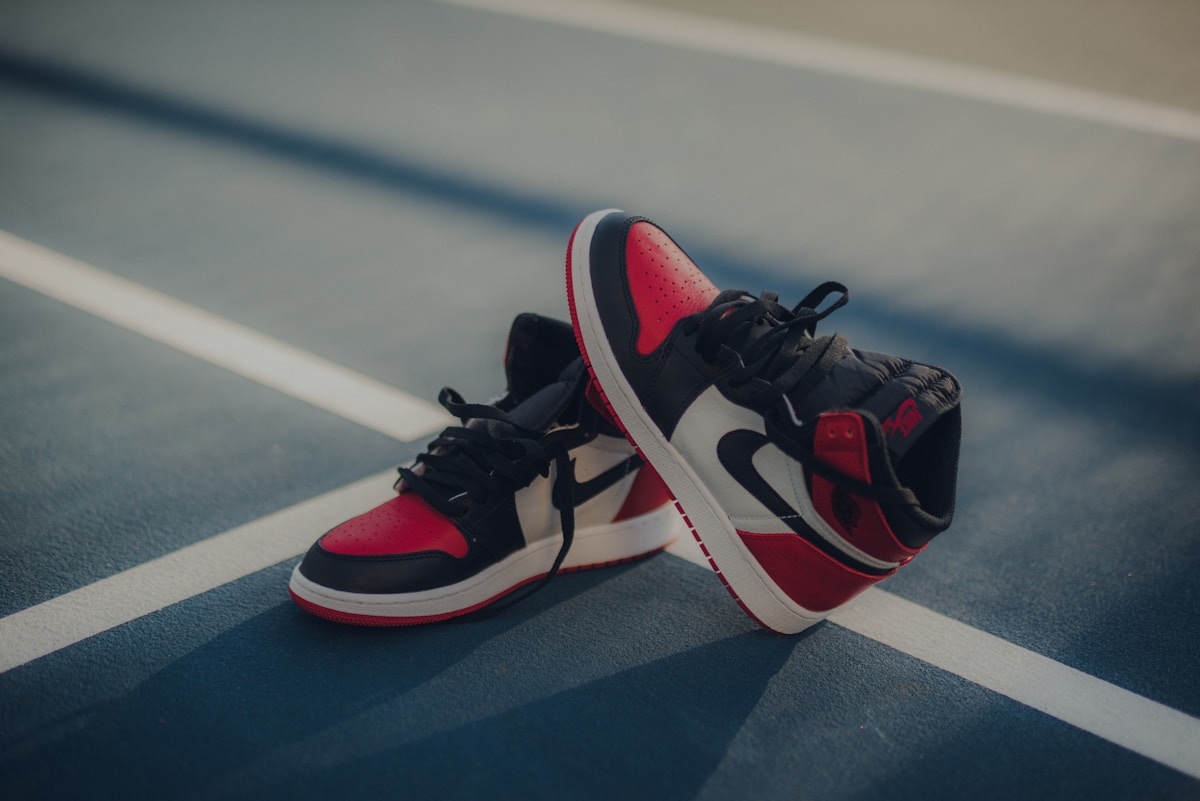
One of the most noticeable version differences lies in the overall silhouette. OG models often feature sleeker or more exaggerated proportions due to period-specific lasts. Take the Air Jordan 1: 1985 originals have a slimmer toe box and downward-sloping profile, while many mid-2000s retros appear bulkier with higher collars. In a famous side-by-side of the 'Bred' colorway, the 2025 retro shows a taller toe cap and slightly thinner stitching sections near the heel compared to the original. For Nike Dunks, early 2000s SB versions have a more pronounced cupsole curve than recent general-release retros. Practical advice: photograph your pair next to official release-year images from Nike or auction houses like Heritage Auctions. Measure key points—like collar height or Swoosh angle—using calipers if possible. Collectors report that placing two versions side-by-side under consistent lighting reveals shape discrepancies instantly. Always prioritize OG for investment-grade pieces, as shape fidelity directly correlates with collector demand and resale multiples (often 5-10x retail for true originals).
Material and Construction Details to Check
Materials evolve significantly between versions, affecting both feel and longevity. OG Air Jordans from the 80s used premium tumbled leather with natural variations, while some 90s retros shifted to smoother hides. Yeezy Boost 350 V2 originals feature softer, darker Primeknit uppers compared to later batches with slight color shifts. Stitching is another giveaway: authentic OGs show consistent, tight patterns without loose threads, whereas early retros sometimes had irregular spacing. Examine the midsole—older Nike Air units yellow differently over time than modern Phylon foams. A real-world example: 1995 Air Jordan 10 'Seattle' OGs have a darker green suede than the 2019 retro's lighter shade. Tip for collectors: use a UV light on certain models (like Yeezy Red Octobers) where originals glow distinctively. Invest in a loupe for close inspection of thread count and glue application—pro fakes mimic exteriors but fail under magnification. Document these details when purchasing; many top collectors maintain photo logs to track version-specific traits across their collection.
Tags, Labels, and Packaging Clues
Packaging and internal labels often provide definitive version proof. OG boxes feature period-specific typography, like bolder Nike fonts in the 80s versus sleeker modern designs. Hang tags on 1985 Jordans are simple paper with basic printing, lacking the glossy finishes of later retros. Check SKU codes and manufacture dates—OGs pre-2000 rarely include QR codes or advanced holograms. For Adidas Yeezy, early 350 V2 boxes position the logo higher than fakes or later variants. A collector's hack: compare tongue tags—the 'Nike Air' font spacing and Jumpman placement shift subtly across eras. Real case: a 1985 Jordan 1 'Bred' sold at auction included the original clearance tag from Foot Locker, confirming its untouched OG status and driving its $16,250 price. Always request box photos upfront on resale platforms; mismatched packaging is a red flag. Building a reference library of authentic box/label images from trusted sources like Christie's or StockX archives sharpens your eye over time.
Colorway and Batch-Specific Variations
Even within the same model, batch differences appear due to factory runs or regional releases. The Air Jordan 1 'Chicago' has seen color intensity variations—deeper reds in some 90s retros versus brighter modern ones. Yeezy Boost iterations show stripe shade shifts (peach vs true red in fakes vs auth). Limited pairs like the 2003 Nike SB Dunk Low Paris feature unique canvas art, making every pair slightly different. Track these via community resources like Reddit's r/Sneakers or dedicated discords for side-by-side user photos. Pro tip: use resale data from StockX or GOAT to see value premiums for specific batches—OG colorways with documented batch traits often fetch 20-50% more. When hunting rarities, verify against official Nike release notes or archive sites. This granular knowledge separates casual buyers from serious collectors who consistently score undervalued versions.
总结
Mastering version differences in sneaker collecting transforms you from a casual enthusiast into a savvy investor and historian. By focusing on silhouette tweaks, material authenticity, tag details, and batch variations—as seen in iconic models like the Air Jordan 1 or Yeezy Boost—you protect your collection's value and deepen your connection to sneaker culture. Start small: build a reference folder of official images, practice side-by-side comparisons, and buy from reputable sources with authentication guarantees. Whether chasing elusive OGs or appreciating remastered classics, these skills ensure every addition enhances your collection meaningfully. Dive into the details, stay curious, and let your passion guide you—your next grail awaits, and now you'll know exactly what makes it special. Join the Sneaker Culture community to share your finds and continue the conversation.