概述
In the world of sneaker culture, collecting high-end shoes has evolved far beyond mere fandom—it's a calculated pursuit blending passion, history, and investment potential. As we move deeper into 2026, the resale market continues to thrive, with platforms like StockX reporting recovery in legacy brands like Nike and Jordan, alongside explosive growth in emerging players such as Mizuno and Maison Mihara Yasuhiro. High-end sneaker collecting demands more than hype-chasing; it requires a strategic selection logic that prioritizes factors like rarity, cultural significance, condition, and long-term value appreciation. True collectors understand that not every limited drop becomes a grail—success lies in discerning which pairs hold enduring appeal. This guide breaks down the core principles behind selecting premium sneakers for your collection, drawing from real market data, historical examples, and practical tactics used by seasoned enthusiasts. Whether you're aiming to build a wearable rotation or a museum-worthy archive, mastering this logic separates casual buyers from serious collectors in today's dynamic landscape.
Prioritize Rarity and Limited Production
Rarity remains the cornerstone of high-end sneaker value. Limited production runs create scarcity that drives demand and price appreciation over time. According to StockX's 2025 data, collaborations and low-run releases consistently outperform general releases in resale performance. For instance, pairs with production numbers under 1,000 often see significant premiums—think of the Off-White x Nike Air Jordan 1s, where initial limited drops led to multiples of retail value years later. When selecting, research production figures via official announcements, SNKRS app details, or resale platform historicals. Focus on unreleased prototypes, regional exclusives, or promo samples that never hit wide release. Practical tip: Use tools like StockX or GOAT sales data to track how similar rarity levels have performed historically. Avoid overhyped mass-limited drops where bots dominate; instead, target true scarcity like artist collaborations or brand anniversary editions. Always verify authenticity through detailed tag checks and professional grading services to protect your investment in these elusive pieces.
Focus on Collaborations and Cultural Impact
Collaborations elevate sneakers from footwear to cultural artifacts. When a brand partners with influential designers, artists, or celebrities, the resulting pair gains narrative depth that boosts desirability. Real-world examples include the Travis Scott x Nike collaborations or Bad Bunny x adidas drops, which not only sold out instantly but maintained strong resale values due to their storytelling. In 2025-2026 trends, StockX highlighted how scarcity combined with strong partnerships drove resale growth, with nearly 200 brands hitting record sales through strategic collabs. Select pairs tied to pivotal moments—like Virgil Abloh's Off-White x Nike series, which redefined streetwear luxury—or current waves such as Pharrell's adidas integrations. Evaluate cultural resonance: Does the collab reflect broader movements in art, music, or fashion? Practical advice: Follow industry insiders on platforms like X for early intel, and prioritize deadstock condition with full packaging. This approach ensures your collection features pieces with lasting relevance beyond fleeting trends.
Evaluate Condition, Authentication, and Preservation
Condition is paramount in high-end collecting—deadstock (unworn, pristine) pairs command the highest premiums. Minor flaws can slash value by 30-50% on resale platforms. Authentication involves scrutinizing details like stitching quality, tag placement, production dates, and materials. Services from GOAT or StockX provide verified authentication, while experts check for OG vs. retro distinctions. For preservation, store in climate-controlled environments away from direct light, using silica packets and original boxes. Case in point: Vintage Air Jordan 1s in pristine condition have appreciated dramatically, with some 1985 pairs fetching six figures at auction. Practical steps: Invest in proper display cases or acid-free tissue for long-term holding, and document your collection with photos and receipts for insurance or resale. Prioritizing condition ensures both personal enjoyment and maximum future value.
Analyze Market Trends and Investment Potential
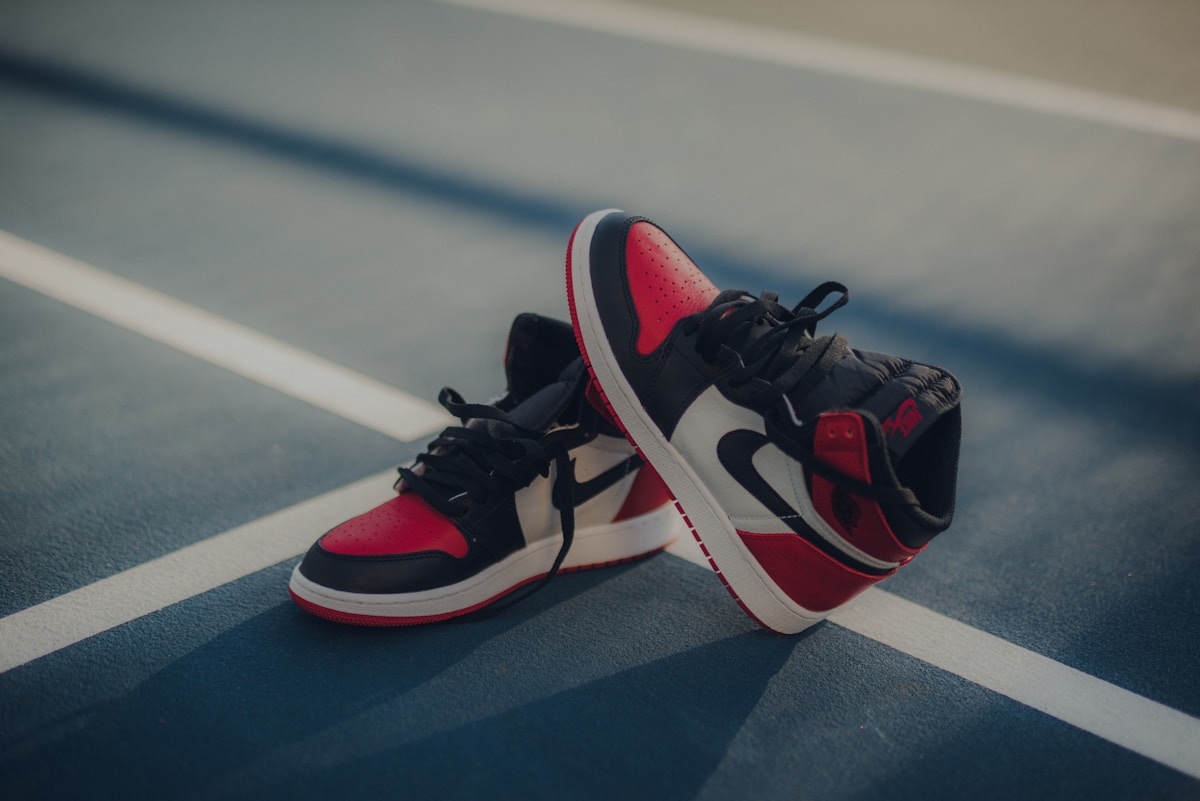
Smart selection incorporates current and emerging trends. StockX's 2025-2026 insights show recovery in Nike/Jordan (prices up 5-6%) alongside surges in runner aesthetics from ASICS and Mizuno. Track resale data for appreciation patterns—silhouettes like the Air Jordan 1 or Nike Dunk often rebound strongly post-hype cycles. Consider the 70-30 rule: 70% wearable daily pairs, 30% premium holds. Research via platforms for sales velocity and regional demand. Example: Underrated gems like certain New Balance 550 variants have quietly appreciated due to sustained interest. Practical tip: Set alerts on resale sites, diversify across brands (Nike, adidas, New Balance), and avoid overpaying during peak hype. This data-driven approach turns passion into a potentially appreciating portfolio.
Build a Cohesive Theme or Personal Narrative
The strongest collections tell a story—whether centered on a single silhouette (e.g., all Air Jordan 1 colorways), an era (1980s basketball retros), or personal influences like street art or sports icons. This thematic focus adds depth and makes curation more intentional. For example, collectors focusing on Kobe Protro models benefit from the silhouette's resurgence in 2025 data, with sales jumping over 100%. Start small: Define your theme, research historical releases, and acquire progressively. Include a mix of grails and accessible pieces for balance. This narrative-driven strategy enhances enjoyment and creates a legacy collection that stands out in the community.
总结
Mastering the selection logic for high-end sneaker collecting transforms random acquisitions into a purposeful, rewarding endeavor. By emphasizing rarity, collaborations, impeccable condition, market awareness, and a unifying theme, you position your collection for both personal satisfaction and potential appreciation. As the 2026 market evolves—with ongoing recovery in classics and growth in lifestyle runners—the most successful collectors stay informed, patient, and authentic in their choices. Start by defining your focus, researching diligently, and acquiring thoughtfully rather than impulsively. Whether you're building for passion or investment, these principles ensure your high-end sneakers remain valuable assets in an ever-changing culture. Dive into the drops, verify every detail, and let your collection reflect not just trends, but your unique perspective on sneaker history and style. Your next grail awaits—choose wisely.