概述
Asia’s sneaker culture has carved a distinct path that diverges sharply from its Western origins in basketball courts and hip-hop streets. While North America built the foundation through performance icons like the Air Jordan and limited drops, Asia transformed sneakers into a sophisticated language of craftsmanship, subcultural rebellion, and national identity. From the underground Ura-Harajuku scene of 1990s Tokyo, where pioneers like Nigo fused American sportswear with Japanese minimalism, to today’s explosive guochao movement in China and polished streetwear in Seoul, the continent has consistently prioritized exclusivity, storytelling, and long-term value over fleeting hype. This evolution reflects deeper cultural values: Japan’s obsession with quality and heritage preservation, China’s rapid fusion of tradition with digital commerce, and Korea’s embrace of oversized silhouettes and gender-fluid aesthetics. The result is a $92 billion global sneakers market where Asia-Pacific now leads both consumption and resale growth, with the secondhand segment projected to reach $2.9 billion by 2032 at a 15.2% CAGR. For collectors and enthusiasts, understanding Asia’s unique development path offers more than nostalgia — it provides practical strategies for authentic curation, resale investment, and cultural appreciation in an increasingly globalized scene. This article explores the milestones, key players, and actionable insights that define why Asian sneaker culture remains both traditionalist and forward-thinking.
The Birth of Ura-Harajuku: Japan’s Foundational Influence
In the early 1990s, Tokyo’s Ura-Harajuku district became the epicenter of a quiet revolution that would redefine global sneaker culture. Far from the bright lights of Shibuya, a tight-knit group of tastemakers including Nigo, Hiroshi Fujiwara, and the crew behind Nowhere boutique began importing deadstock American sneakers while customizing them with Japanese precision. Nigo’s 1993 founding of A Bathing Ape (BAPE) marked a turning point: the brand’s signature shark-head camo, ape motifs, and limited drops created artificial scarcity that turned sneakers into wearable art. By the late 1990s, Japanese consumers were paying premiums for exclusive colorways unavailable in the U.S., establishing the blueprint for today’s drop culture. Hiroshi Fujiwara’s Fragment Design collaborations with Nike — most notably the 2017 Air Jordan 3 sample and ongoing Book 1 releases — further elevated the sneaker as a collector’s item, blending minimalist lightning-bolt branding with premium materials. Practical advice for enthusiasts: focus on deadstock preservation; store pairs in climate-controlled boxes with silica gel, and track release calendars via Japanese proxy services like Atmos or Kicks Lab. Data from resale platforms shows Japan-origin exclusives retain 85-120% of retail value after five years, outperforming many Western hypedrops. Mastering this era’s ethos of patience and authenticity remains the most reliable entry point into high-value collecting. (img_keyword_zh: 1990年代原宿BAPE鲨鱼头迷彩球鞋街头文化, img_keyword_en: 1990s Ura-Harajuku BAPE shark head camo sneakers street style)
Hiroshi Fujiwara and the Art of Collaboration
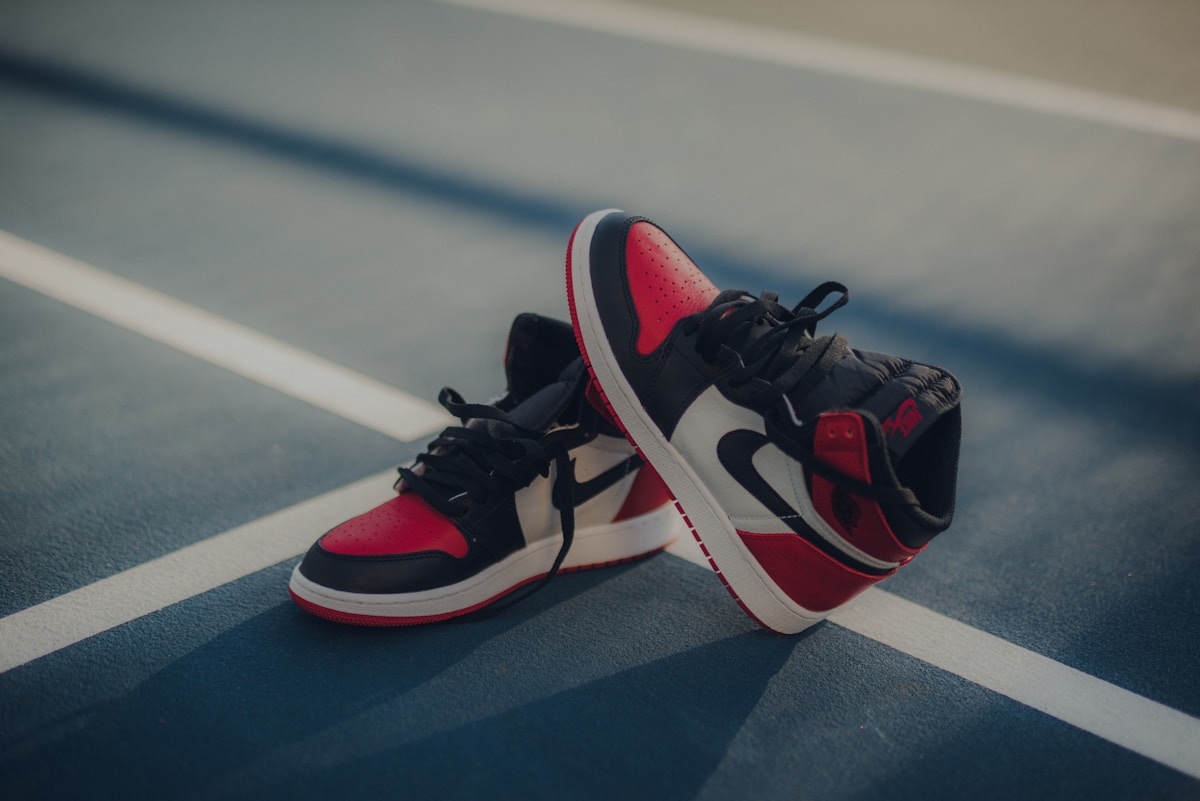
No single figure embodies Asia’s elevated approach to sneaker design more than Hiroshi Fujiwara, often called the “Godfather of Streetwear.” His Fragment Design label, founded in 1998, introduced lightning-bolt motifs and understated luxury that influenced Virgil Abloh and countless others. Fujiwara’s philosophy — “less is more” applied to premium materials and subtle storytelling — produced legendary collaborations such as the Fragment x Nike Dunk High and the unreleased Air Jordan 3 sample that now trades above $10,000 on secondary markets. These pieces succeed because they respect original silhouettes while adding Japanese craftsmanship: hand-selected leathers, reinforced stitching, and limited numbering that rewards patient collectors. Real-world case: the 2017 Fragment x Air Jordan 1 High OG “Black Toe” retailed at $170 and now averages $650–$900 on StockX, delivering 300%+ returns for early buyers who understood Fujiwara’s cultural cachet. Practical technique: when hunting collabs, prioritize pairs with co-branding on the heel tab and tongue; authenticate via UV light for hidden Fragment logos. Build relationships with Tokyo boutiques for early access — many offer raffle systems that favor repeat customers. By studying Fujiwara’s trajectory, sneakerheads learn that true value stems from cultural depth rather than marketing volume. (img_keyword_zh: 藤原浩Fragment Design Nike联名球鞋, img_keyword_en: Hiroshi Fujiwara Fragment Design Nike collaboration sneakers)
Guochao Revolution: China’s Fusion of Heritage and Hype
China’s sneaker scene exploded in the late 2010s through the guochao (national tide) movement, where domestic brands like Li-Ning and Anta reinterpreted traditional Chinese motifs on modern performance footwear. Li-Ning’s 2018 “Way of Wade” series and subsequent dragon-embroidered releases fused imperial aesthetics with responsive cushioning, capturing Gen-Z consumers who previously chased Western logos. Market data underscores the shift: China’s running-shoe segment reached 30.7 billion RMB in 2024 and is forecast to exceed 50 billion RMB by 2030 at 8–10% CAGR, driven by over 500 million active runners. Practical advice: invest in limited guochao drops via Xiaohongshu and Weibo pre-sales; many pairs appreciate 40–80% within six months due to cultural resonance. Case study: the Li-Ning x Disney “Mickey Mouse” collaboration sold out instantly and now commands double retail on secondary platforms. Collectors should learn basic Mandarin release terminology and use proxy apps like Superbuy for overseas access. Authenticate via holographic tags and QR codes linked to official blockchain ledgers introduced by major Chinese brands in 2023. Guochao proves that sneakers can simultaneously celebrate heritage and drive economic nationalism, offering a blueprint for culturally intelligent collecting in emerging markets. (img_keyword_zh: 中国国潮李宁龙纹刺绣球鞋, img_keyword_en: China guochao Li-Ning dragon embroidery sneakers)
Korean Streetwear: Oversized Silhouettes and Global Diffusion
South Korea’s contribution to Asian sneaker culture emphasizes proportion, minimalism, and K-pop amplification. Brands like Maison Margiela and local favorites such as Kolon Sport embraced chunky dad sneakers and gender-neutral styling that spread globally via BTS and BLACKPINK. Seoul’s Hongdae and Gangnam districts feature oversized New Balance 550s and Salomon XT-6s paired with cropped hoodies — a look that prioritizes comfort and visual balance over overt branding. Data from 2024 shows Korean consumers drive 18% of Asia’s premium sneaker resale volume, with oversized silhouettes retaining value longer than slim classics. Practical tip: build a “Korean rotation” by allocating 30% of your budget to neutral colorways that pair with both streetwear and office attire; use apps like Musinsa for real-time trend tracking. Real example: the New Balance 550 “Sea Salt” released in Korea in 2022 now trades at 2.5x retail due to sustained celebrity wear. Authentication relies on precise stitching counts and Korean hangtags. For international collectors, attending Seoul Fashion Week pop-ups or joining local sneaker Discord communities provides early access and cultural context. Korea demonstrates that thoughtful proportion and celebrity diffusion can elevate sneakers from niche to mainstream without sacrificing depth. (img_keyword_zh: 韩国首尔街头 oversized New Balance 550球鞋, img_keyword_en: Korean Seoul street oversized New Balance 550 sneakers)
Resale Dynamics and Investment Strategies Across Asia
Asia’s resale ecosystem operates on different rules than Western platforms: Japan emphasizes condition and provenance, China leverages social-commerce speed, and Korea focuses on celebrity provenance. The Asia-Pacific secondhand sneaker market grew from $800 million in 2023 to a projected $2.9 billion by 2032 at 15.2% CAGR. Platforms like StockX, GOAT, and local players such as Dewu (China) and Sneaker Freaker (regional) report Japanese exclusives yielding the highest ROI. Practical playbook: maintain a digital ledger of purchase dates, receipts, and photos; use UV authentication tools and professional grading services available in Tokyo and Shanghai. Case: a 2019 BAPE x Adidas Superstar “Camo” purchased at retail ¥18,000 now fetches ¥45,000–¥60,000 in pristine condition. Allocate no more than 20% of collection value to speculative hype; prioritize “safe bets” like Onitsuka Tiger collaborations that blend heritage with lifestyle appeal. Join Asia-focused communities on Reddit’s r/sneakers or WeChat groups for real-time market intelligence. By treating sneakers as both cultural artifacts and alternative assets, collectors across Asia achieve both personal satisfaction and measurable financial upside. (img_keyword_zh: 亚洲球鞋二手市场展示柜收藏, img_keyword_en: Asian sneaker resale market display collection shelves)
总结
Asia’s sneaker culture has evolved into a mature, multifaceted ecosystem that balances reverence for craft, cultural storytelling, and smart commerce. From Ura-Harajuku’s foundational exclusivity to China’s guochao renaissance and Korea’s proportional innovation, each region offers distinct lessons for today’s enthusiasts. The data is clear: culturally rooted pieces from Japan, heritage-infused guochao releases, and thoughtfully proportioned Korean silhouettes consistently outperform mass-market hype in both emotional and monetary value. To thrive in this landscape, start small — curate five cornerstone pairs that reflect your personal connection to Asian history, then expand using the authentication and storage practices outlined above. Engage local communities, attend regional pop-ups when possible, and always prioritize condition and provenance over fleeting trends. Whether you are a seasoned collector or a newcomer drawn to the depth of Asian design, the continent’s unique path invites you to move beyond consumption toward genuine appreciation and stewardship. Begin your journey today: research one upcoming Japan-exclusive drop, authenticate your current holdings, and share your story within the global sneaker community. The next chapter of sneaker culture is being written in Asia — make sure you’re part of the narrative.