概述
Sneaker culture has evolved far beyond its athletic origins, becoming a powerful force in youth subcultures worldwide. What began as functional footwear for sports has transformed into a symbol of identity, rebellion, self-expression, and community among young people. From the underground scenes of 1970s New York to today's global resale markets valued in billions, sneakers have fused with hip-hop, skateboarding, punk, and streetwear to create a dynamic cultural phenomenon.
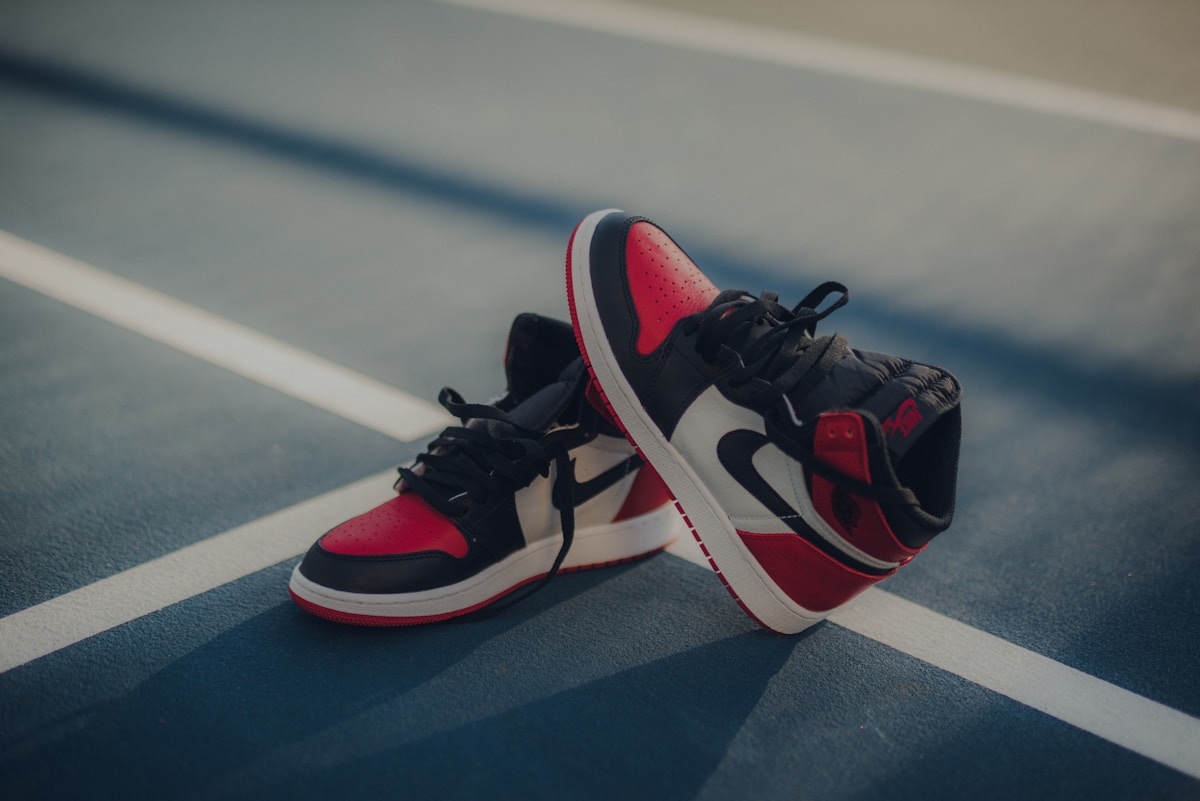
This fusion is rooted in accessibility and versatility—sneakers are affordable yet capable of carrying deep meaning through limited drops, celebrity endorsements, and historical significance. In the 1980s, Run-D.M.C.'s "My Adidas" turned Adidas Superstars into a hip-hop anthem, earning the group the first major endorsement deal in music history. Meanwhile, Michael Jordan's 1985 Air Jordan 1 launch with Nike defied NBA bans and sparked sneakerhead collecting, blending sports prowess with street style.
Today, the global sneakers market is projected to exceed $120 billion by the late 2020s, driven largely by youth demographics—Gen Z and Millennials—who view sneakers as status symbols and investment pieces. Subcultures like skateboarding have popularized durable models such as Vans Old Skool and Nike SB, while punk influences brought rebellious Converse Chuck Taylors into mainstream rebellion. This interplay has democratized fashion, allowing young people to signal belonging, creativity, and individuality through their kicks.
In this article, we explore how sneaker culture intersects with youth subcultures, highlighting key historical moments, iconic examples, and practical ways to engage with this vibrant world responsibly.
The Historical Roots: From Sport to Street Identity
Sneaker culture's fusion with youth subcultures traces back to the 1970s and 1980s, when economic and social shifts turned athletic shoes into markers of urban identity. In inner-city communities, particularly among Black and Latino youth, sneakers symbolized aspiration amid limited resources. Hip-hop pioneers in New York intertwined basketball, breakdancing, and graffiti, adopting Adidas Superstars and Puma Suedes as everyday wear.
A landmark moment came in 1986 with Run-D.M.C.'s "My Adidas," which not only celebrated the Superstar but secured a groundbreaking $1 million endorsement deal—proving sneakers could transcend sports into cultural capital. Simultaneously, Nike's partnership with Michael Jordan introduced the Air Jordan 1 in 1985, banned by the NBA for its bold colors yet embraced by youth as a rebellion symbol. This era established sneakers as more than footwear: they became narrative tools for self-expression.
For collectors today, understanding this history adds depth—start by researching original colorways on platforms like StockX or attending sneaker conventions to spot authentic vintage pairs. Avoid fakes by checking stitching, tags, and seller ratings.
Hip-Hop's Enduring Influence on Sneaker Fusion
Hip-hop remains the cornerstone of sneaker culture's integration with youth subcultures, turning shoes into status symbols and creative canvases. From Run-D.M.C. lacing Adidas without ties to Kanye West's Yeezy line blending high fashion with street roots, hip-hop has driven collaborations that redefine trends.
Data shows Black culture's foundational role: industry experts note that without hip-hop's early adoption, sneaker resale markets wouldn't exist today. Modern examples include Travis Scott's Nike collaborations, which drop with massive hype and resale premiums, or Kendrick Lamar's adidas ventures emphasizing storytelling through design.
Practical tip: Build a hip-hop-inspired rotation by starting with versatile classics like Adidas Forum or Nike Air Force 1. Follow artist playlists and social media for upcoming drops—use apps like Nike SNKRS or adidas CONFIRMED to secure pairs early, and join communities like Reddit's r/Sneakers for resale insights and authentication advice.
Skateboarding and Punk: Rebellion Through Durability
Skateboarding and punk subcultures infused sneaker culture with anti-establishment energy and functional innovation. In the 1990s, skaters favored durable, flat-soled shoes like Vans Half Cab and Nike SB Dunk for grip and ollie performance, turning them into symbols of freedom and DIY ethos.
Punk's influence appeared in grunge-era Converse Chuck Taylors worn by Kurt Cobain, representing nonconformity. These subcultures emphasized wear-and-tear aesthetics—scuffed uppers signaling authenticity over pristine condition.
To engage: Invest in skate-specific models like Vans Old Skool or New Balance Numeric for longevity. Visit local skate parks to observe real usage, and maintain shoes with suede protectors and proper cleaning to preserve both function and resale value. This hands-on approach deepens appreciation for how subcultures shape design evolution.
Streetwear Evolution: Blending High and Low Culture
Streetwear bridged sneaker culture with broader youth identity by merging luxury, sport, and urban grit. Brands like Supreme and Off-White collaborated with Nike and Jordan, creating limited drops that sold out instantly and resold for multiples on platforms like StockX.
The 2010s saw a boom in resale culture, with sneakers like the Dior x Air Jordan 1 fetching thousands, turning collecting into an investment strategy. Youth subcultures now use sneakers to navigate social hierarchies—owning rare pairs signals insider knowledge.
Advice: Start small with accessible collabs, track release calendars via Hypebeast or GOAT, and authenticate purchases. Diversify your collection across subcultures for versatility, and consider sustainable brands like Veja to align with modern youth values on ethics and environment.
Modern Youth Engagement: Community and Collecting Tips
Today's sneaker fusion thrives in digital communities, where youth connect via Instagram, Discord, and TikTok to share outfits, trades, and stories. The market's growth—projected at over $126 billion by 2033—reflects Gen Z's embrace of sneakers as identity markers and social currency.
Real-world impact includes pop-up events and conventions fostering real connections beyond online hype. To participate effectively: Join local meetups for networking, use tools like StockX analytics for market trends, and curate a personal collection reflecting multiple subcultures—perhaps a hip-hop Air Force 1, skate Vans, and a punk-inspired Converse.
Prioritize authenticity checks and budget wisely; start with under-$200 pairs to build knowledge without overextending. This mindful approach ensures sneakers remain a positive outlet for creativity and community.
总结
The fusion of sneaker culture with youth subcultures illustrates fashion's power to unite diverse voices—from hip-hop's rhythmic storytelling to skateboarding's defiant freedom. What started as underground expressions has grown into a multi-billion-dollar industry that continues to evolve, driven by innovation, community, and authenticity.
For enthusiasts, the key is balance: celebrate history while embracing new drops responsibly. Build collections thoughtfully, support ethical brands, and engage in communities that value creativity over hype. Whether you're lacing up a classic Air Jordan or hunting the next collab, sneakers offer a tangible way to express identity in an ever-changing world.
Dive in today—research a subculture-inspired pair, join a forum, or attend a local event. The sneaker journey is personal, rewarding, and endlessly evolving. What's your next step?