概述
In the ever-evolving world of sneaker culture, few design approaches capture attention quite like mixed material uppers. By strategically combining different fabrics, leathers, synthetics, and innovative textiles on the shoe's upper, designers create visual depth, enhance functionality, and push aesthetic boundaries. This technique has become a hallmark of premium and collaborative releases, allowing brands to blend heritage craftsmanship with modern innovation. From breathable mesh panels fused with premium leather overlays to suede accents on knit bases, mixed material designs offer both performance benefits and streetwear appeal. In recent years, we've seen this trend explode across major silhouettes—Nike and Jordan Brand frequently experiment with contrasting textures to pay homage to classic colorways while introducing fresh tactile experiences. For collectors and enthusiasts on Sneaker Culture, understanding these material mashups isn't just about appreciation; it's about recognizing how they influence durability, comfort, and resale value. This article dives deep into real-world case studies of standout mixed material sneaker designs, exploring why they work, the technical considerations behind them, and practical tips for spotting quality executions in your next pickup.
The Evolution of Mixed Material Uppers in Sneaker Design
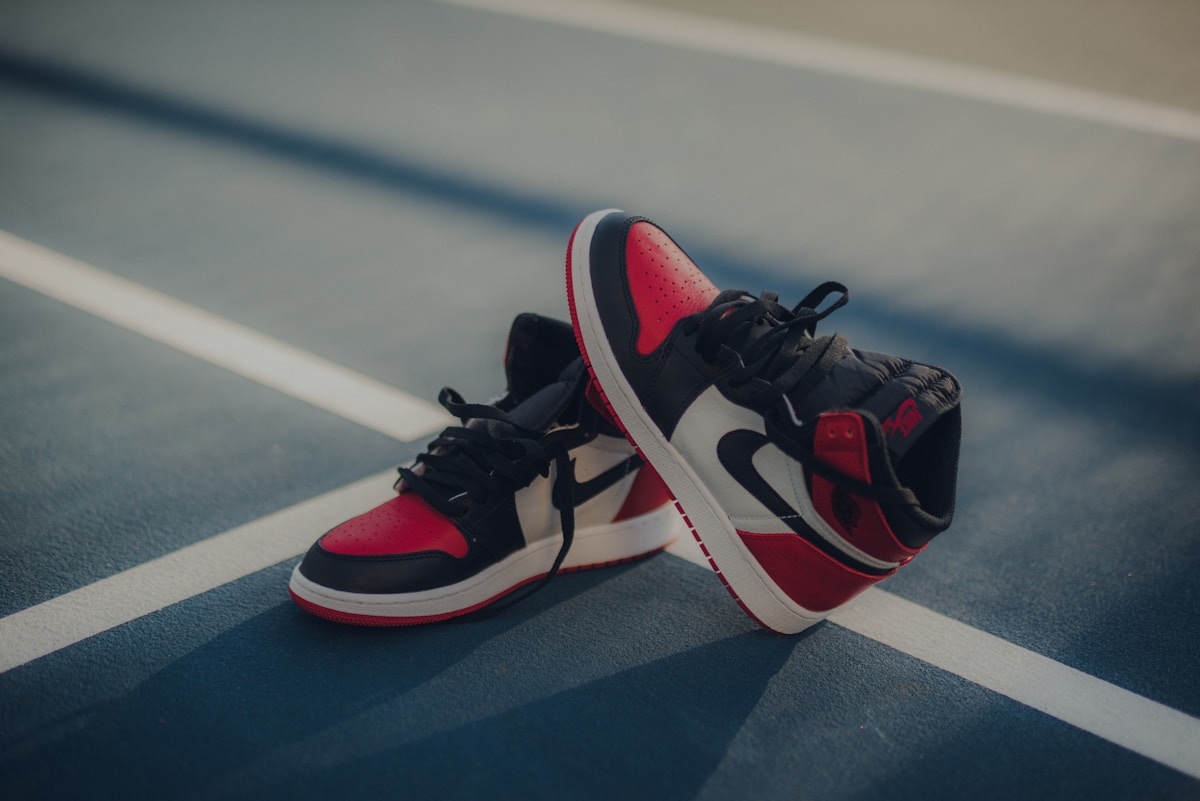
Mixed material uppers trace their roots back to early basketball sneakers, where durability needs drove the use of leather reinforcements on canvas bases. Today, this approach has matured into a deliberate design language that balances aesthetics, performance, and sustainability. Brands like Nike have pioneered techniques such as fused construction, layering thin mesh over synthetic skins for seamless transitions and reduced weight. For instance, the Hyperfuse technology popularized in the late 2000s allowed for lightweight, breathable uppers by heat-bonding multiple materials without heavy stitching. In modern examples, the Air Jordan 1 often features patent leather Swooshes paired with tumbled leather bases, creating high-contrast shine against matte textures. Data from resale platforms shows mixed material Jordans frequently command 20-40% premiums over single-material counterparts due to their visual complexity. When evaluating these designs, prioritize clean seams and material transitions—poor execution leads to delamination over time. For collectors, seek out collaborations where designers intentionally clash textures, like suede on knit, to tell a story or reference cultural motifs. Mastering this evolution helps you appreciate how material mixing has shifted from functional necessity to premium storytelling tool in contemporary sneaker culture.
Key Material Combinations and Their Functional Benefits
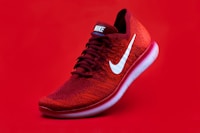
Successful mixed material uppers pair complementary properties to enhance overall performance. A common combo is engineered mesh with premium leather overlays: mesh provides ventilation in high-sweat zones while leather adds structure and luxury feel. The Nike Vomero Plus exemplifies this with breathable knit sections fused to durable synthetic panels, delivering ZoomX-level cushioning in a lifestyle-friendly package. Another popular mix involves suede accents on textile bases—suede offers tactile richness and grip, ideal for heel counters, while textiles keep weight down. In the Air Jordan 4 'Rare Air' release, black nubuck pairs with grey overlays and blue liners, creating visual pop alongside reinforced durability. Practical tip: when styling mixed uppers, match textures to outfits—smooth leathers pair well with tailored looks, while rugged suede complements streetwear. For longevity, apply protective sprays selectively; leather sections benefit from conditioning, but avoid saturating mesh areas. Sustainability-focused mixes, like recycled polyester knits with bio-based leathers, are gaining traction—brands report up to 30% reduced environmental impact without sacrificing aesthetics. Understanding these pairings allows enthusiasts to select sneakers that perform in daily wear while maintaining that coveted premium look.
Iconic Case Studies: Jordan Brand Mixed Material Masterpieces
Jordan Brand consistently delivers standout mixed material executions across its lineup. The Air Jordan 1 'Royal Reimagined' swaps traditional leather for suede in the black base while retaining royal blue overlays in patent leather, creating a tactile contrast that elevates the classic colorway. Another benchmark is the Air Jordan 3 samples-inspired releases featuring smooth leather bodies with suede heel overlays and mismatched detailing, adding storytelling depth through material play. In the Air Jordan 4 'Rare Air', nubuck dominates the base with smoke grey and tech grey overlays, accented by fire red and royal blue pops for multidimensional appeal. These designs often command collector interest due to their ability to age gracefully—suede develops patina while leather maintains structure. For authentication, examine stitching quality around material transitions; premium pairs feature reinforced seams and consistent color bleed. Collectors should note that mixed materials can affect sizing—leather panels may stretch less than knit sections. By studying these icons, enthusiasts gain insight into how Jordan Brand uses material contrasts to bridge heritage and contemporary trends, making them essential references in any serious collection.
Emerging Trends: Sustainable and Innovative Material Mixing
As sustainability becomes central to sneaker design, mixed material uppers increasingly incorporate eco-conscious elements. Brands blend recycled nylon knits with plant-based leathers or TPU elements for modular constructions. Noa Zaidman's recyclable modular shoe concept exemplifies this—elastic yarn knits pair with 3D-printed mono-material soles, allowing easy disassembly and reuse. In mainstream releases, expect more bio-based mixes like merino wool accents on recycled polyester bases, offering natural odor resistance and breathability. Practical advice for buyers: look for certifications like recycled content labels and test material flexibility—sustainable mixes should maintain performance without stiffness. Emerging techniques include 3D-printed reinforcements on knit uppers for targeted durability, reducing overall material usage by up to 25%. For streetwear enthusiasts, these innovations provide ways to support ethical production while enjoying premium textures. As we move into 2026, anticipate bolder sustainable mashups—think algae-derived foams fused with organic cotton textiles—pushing mixed material design toward both environmental responsibility and aesthetic daring.
Practical Tips for Collecting and Caring for Mixed Material Sneakers
Building a collection around mixed material uppers requires specific care strategies to preserve their multi-textured appeal. Start by rotating pairs—alternate wear to prevent uneven wear on different materials. For cleaning, use separate methods: brush suede sections with a crepe brush, wipe leather with damp microfiber, and spot-clean mesh with mild soap. Avoid machine washing mixed uppers, as it can cause delamination between bonded layers. Invest in cedar shoe trees to maintain shape, especially for leather-heavy designs that resist stretching. When purchasing, inspect transition zones closely—high-quality pairs feature blind stitching or heat-sealed edges for seamless integration. Resale data indicates well-maintained mixed material sneakers retain 15-30% more value over time. For styling, contrast textures intentionally: pair rugged suede-heavy kicks with slim denim for street edge, or leather-accented models with tailored trousers for elevated looks. By following these practical steps, collectors ensure their mixed material gems remain fresh, functional, and conversation-worthy pieces in any rotation.
总结
Mixed material upper designs represent the pinnacle of sneaker innovation, merging visual artistry with practical performance enhancements. From Jordan Brand's heritage-inspired contrasts to emerging sustainable fusions, these creations continue to captivate enthusiasts and drive cultural conversations. By understanding material properties, studying iconic examples, and applying proper care techniques, collectors can build thoughtful collections that stand the test of time. Whether you're hunting limited releases or curating everyday rotations, prioritize quality transitions and purposeful combinations—these elements separate average sneakers from true design statements. Head to your favorite retailers or resale platforms today, armed with this knowledge, and elevate your sneaker game with intentional mixed material picks. The future of sneaker design lies in thoughtful mashups—stay ahead by embracing the endless possibilities of material storytelling.