概述
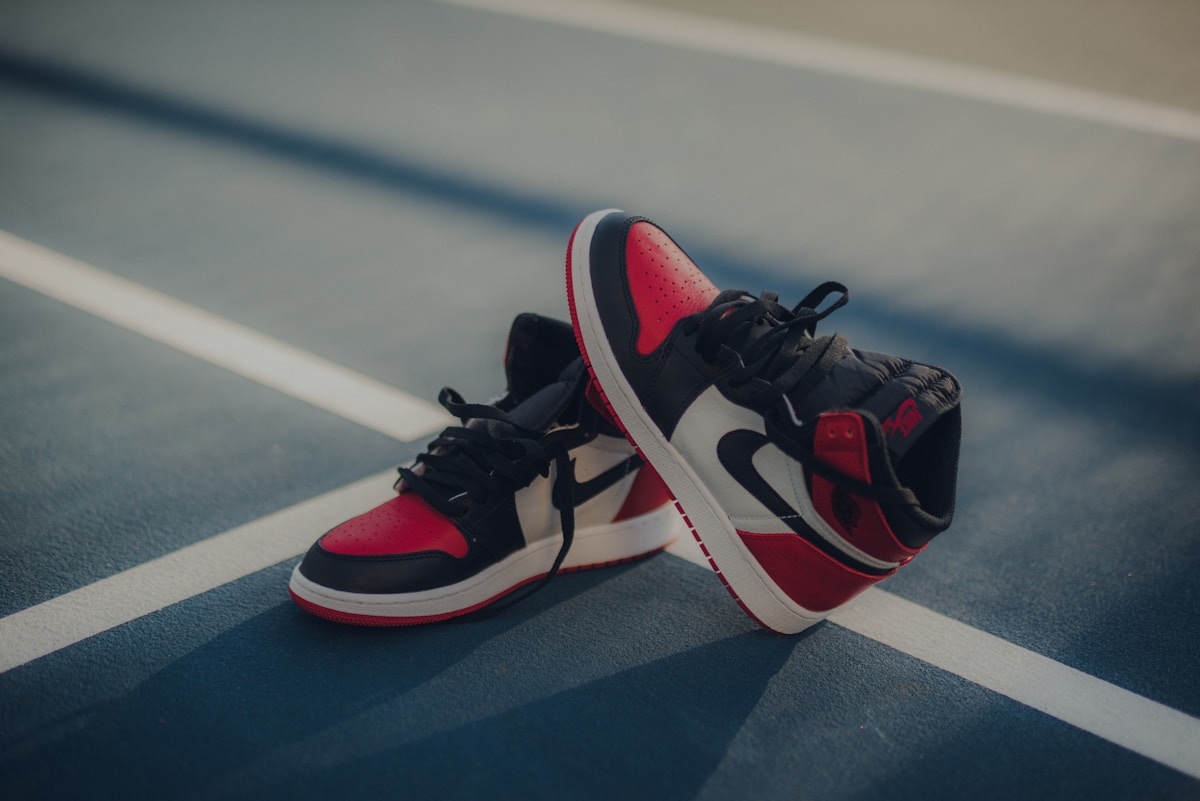
In the ever-evolving world of sneaker culture, few phenomena capture the imagination quite like the reissue of classic ball shoes. These retro releases transport collectors and enthusiasts back to pivotal moments in basketball and streetwear history, while simultaneously bridging generational gaps in fashion. But behind the nostalgic appeal lies a complex web of design considerations that brands must navigate carefully. Recreating an iconic silhouette isn't as simple as dusting off old blueprints—modern manufacturing standards, material advancements, consumer expectations for comfort and durability, and the need to preserve authentic aesthetics all come into play. For instance, Nike's 'Remastered' series for Air Jordans meticulously replicates original details like stitching patterns and midsole textures, yet incorporates subtle upgrades to meet today's performance demands. This delicate balance between fidelity to the past and adaptation for the present defines the art of sneaker reissues. Whether it's the Air Jordan 1 '85 or Adidas re-releases of archival models, successful retros honor heritage while addressing practical realities. In this article, we delve into the key design considerations that make these revivals resonate with sneakerheads worldwide, offering insights for collectors, designers, and anyone passionate about sneaker history.
Preserving Original Silhouette and Proportions
The foundation of any successful sneaker reissue is maintaining the exact silhouette that made the original iconic. This involves precise measurements of the last—the foot-shaped mold used in production—to ensure the toe box, heel counter, and overall profile remain true to the source. Brands like Nike often reference archived blueprints and physical OG samples during the remastering process. For example, the Air Jordan 1 '85 Retro uses enhanced pattern grading to replicate the slightly higher collar and angled swoosh placement of 1985 pairs, avoiding the common pitfall of modernized proportions that can make reissues feel 'off.' Collectors prize this accuracy, as even minor shifts in midsole height or vamp curve can alter the visual impact. Practically, when evaluating a retro release, compare side-by-side photos of the OG and reissue, focusing on the heel-to-toe drop and sidewall curvature. If you're a designer or customizer, always start with high-resolution reference images from trusted sources like Sotheby's auctions or official brand archives to guide your work. This attention to silhouette authenticity not only satisfies purists but also ensures the shoe wears as intended on modern feet.
Material Selection and Modern Upgrades
One of the biggest challenges in reissuing classics is choosing materials that honor the original look while improving longevity and comfort. Vintage sneakers often featured premium tumbled leather or specific synthetic blends that aged uniquely, but modern production demands consistency and sustainability. Brands frequently upgrade to higher-grade leathers with better tanning processes or introduce tumbled effects artificially to mimic natural patina, as seen in Nike's 'Lost & Found' Air Jordan 1 series with its distressed midsoles. Data from resale platforms shows that retros with premium materials command 20-50% higher aftermarket prices due to perceived authenticity and durability. For practical advice, prioritize releases using full-grain leather over corrected-grain alternatives, and check for tumbled textures that feel organic rather than overly uniform. When building your collection, test the suppleness of the upper—authentic-feeling materials crease naturally without cracking prematurely. This approach ensures your retro pairs remain wearable daily while staying true to their historical roots.
Colorway Accuracy and Cultural Significance
Colorways are often the emotional core of classic sneaker reissues, carrying stories from basketball lore or street culture. Accurate reproduction requires matching original Pantone references, dye lots, and even aging effects. The Nike Air Tech Challenge 2 'Hot Lava' retro incorporated a cracked neoprene pattern true to Andre Agassi's 1990s original, while adding subtle modern distressing for vintage appeal. Missteps, like incorrect shade saturation, can lead to fan backlash—as seen in some early Jordan retros with overly bright reds instead of vintage burgundy. To verify authenticity, use community resources like sneaker forums or apps with color-matching tools. For collectors, focus on 'OG' or 'Banned'-inspired palettes that hold cultural weight; these tend to appreciate faster. When styling, pair faithful colorways with period-appropriate outfits to enhance their storytelling power, turning a simple shoe into a conversation piece within streetwear circles.
Performance Enhancements Without Compromising Heritage
Modern reissues often face criticism for being less comfortable than originals due to downgraded cushioning or stiffer soles. Forward-thinking brands address this by integrating updated midsoles while preserving visible design cues. For instance, some Air Max retros feature larger, more responsive Air units that echo the original engineering but use contemporary foam compounds for better energy return. Studies from sneaker performance tests show that updated cushioning can improve comfort by up to 30% without visible changes. When selecting retros, look for mentions of 'enhanced cushioning' or 'remastered comfort' in official descriptions. Practical tip: try pairs in-store to feel the difference—authentic heritage shouldn't mean sacrificing wearability. For long-term collectors, prioritize hybrids that blend retro aesthetics with modern tech, ensuring your investment remains enjoyable for years of rotation.
Detailing and Manufacturing Precision
The devil is in the details when it comes to reissues. Precise stitching count, logo placement, font accuracy, and even thread color must match originals. Jordan Brand's 'Remastered' initiative exemplifies this, with attention to details like the exact number of perforations on the toe box and authentic Nike Air branding fonts. Poor execution can result in 'fakes' feeling more accurate than some official releases. Collectors should inspect high-res images for stitch density and hardware finish. For practical authentication, use tools like UV lights to check for period-correct glow effects on certain materials. When curating your collection, value releases with documented 'from the archives' detailing—these command premium resale due to their fidelity and craftsmanship.
总结
Reissuing classic sneakers is far more than a nostalgic cash grab—it's a thoughtful design exercise that respects history while adapting to contemporary needs. From preserving precise silhouettes and authentic materials to balancing cultural colorways with modern comfort upgrades, successful retros demonstrate meticulous craftsmanship and deep understanding of sneaker heritage. As the industry continues to evolve, look for brands that prioritize transparency in their remastering process, whether through enhanced documentation or 'from the archives' labeling. For enthusiasts, the key is to seek out releases that honor the original spirit without compromise—those are the pairs that gain lasting value and cultural significance. Whether you're adding to your rotation or building a serious collection, focus on quality over quantity. Dive into trusted communities, study release notes, and choose wisely—the right retro can become a cornerstone of your sneaker story for decades to come. Start exploring upcoming drops today and rediscover why these classics endure.