概述
In 2026, streetwear culture continues to evolve at the intersection of style, authenticity, and environmental responsibility. As consumers become more conscious of fashion's impact—with over 40% of Gen Z prioritizing brands that align with their values—sustainable single items have shifted from niche to essential in any streetwear rotation. Street fashion no longer means fast, disposable pieces; instead, it celebrates durable, eco-conscious staples that blend effortlessly into urban lifestyles while minimizing ecological footprints. From organic cotton hoodies to recycled-material sneakers, these sustainable singles offer longevity, versatility, and a lower carbon footprint without sacrificing the bold aesthetics that define street culture. Brands like Patagonia, VEJA, Allbirds, and emerging players are leading the charge by incorporating regenerative materials, ethical production, and innovative fabrics such as recycled polyester and plant-based alternatives. This guide spotlights the must-have sustainable streetwear singles for 2026, providing practical insights into why they matter, how to style them, and real-world examples of their impact. Whether you're building a capsule wardrobe or upgrading your daily rotation, investing in these pieces supports slow fashion principles—quality over quantity—and helps combat the industry's overproduction crisis. Discover how these timeless yet forward-thinking items can elevate your street style while contributing to a more sustainable future.
Organic Cotton Hoodies: The Ultimate Layering Essential
Organic cotton hoodies remain a cornerstone of streetwear in 2026, prized for their comfort, durability, and significantly reduced environmental impact compared to conventional cotton. Grown without harmful pesticides, organic cotton uses up to 91% less water and promotes healthier soil ecosystems. Brands like Patagonia and Armedangels excel here, with pieces featuring GOTS-certified fabrics that ensure ethical sourcing and low-impact dyeing. A standout example is Patagonia's organic cotton fleece hoodies, which have been tested to last over 5 years of regular wear while maintaining shape and softness. For styling, pair a neutral-toned hoodie with wide-leg recycled denim for a relaxed silhouette or layer it under a lightweight jacket for transitional weather. Practical tip: Look for hoodies with recycled drawstrings and kangaroo pockets reinforced for longevity—avoiding cheap prints that crack over time. These pieces support small-batch production models, reducing waste, as seen in on-demand drops from sustainable labels. Investing in one high-quality organic hoodie can replace multiple fast-fashion alternatives, saving resources and money long-term while keeping your look authentically street-ready.
Recycled Polyester Tees: Everyday Staples with Zero Waste
Recycled polyester t-shirts have become indispensable in sustainable streetwear, transforming ocean-bound plastic and pre-consumer waste into soft, breathable essentials. In 2026, brands like Recover Tex collaborations and Noah utilize these materials to create tees with performance attributes—moisture-wicking and quick-drying—while diverting millions of bottles from landfills annually. Data shows recycled polyester reduces CO2 emissions by up to 50% versus virgin polyester. For real-world application, opt for heavyweight blanks (180-220gsm) that resist pilling and hold graphic prints better. Style them tucked into cargo pants for a utilitarian vibe or oversized with slim sneakers for contrast. Maintenance tip: Wash cold and air-dry to preserve fiber integrity and extend lifespan beyond 100 washes. These tees align perfectly with slow fashion by encouraging mindful consumption—buy fewer, choose better—and support circular economy initiatives where brands offer take-back programs for recycling old garments.
Sustainable Sneakers: VEJA and Allbirds Leading the Pack
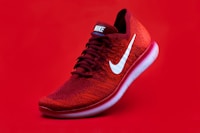
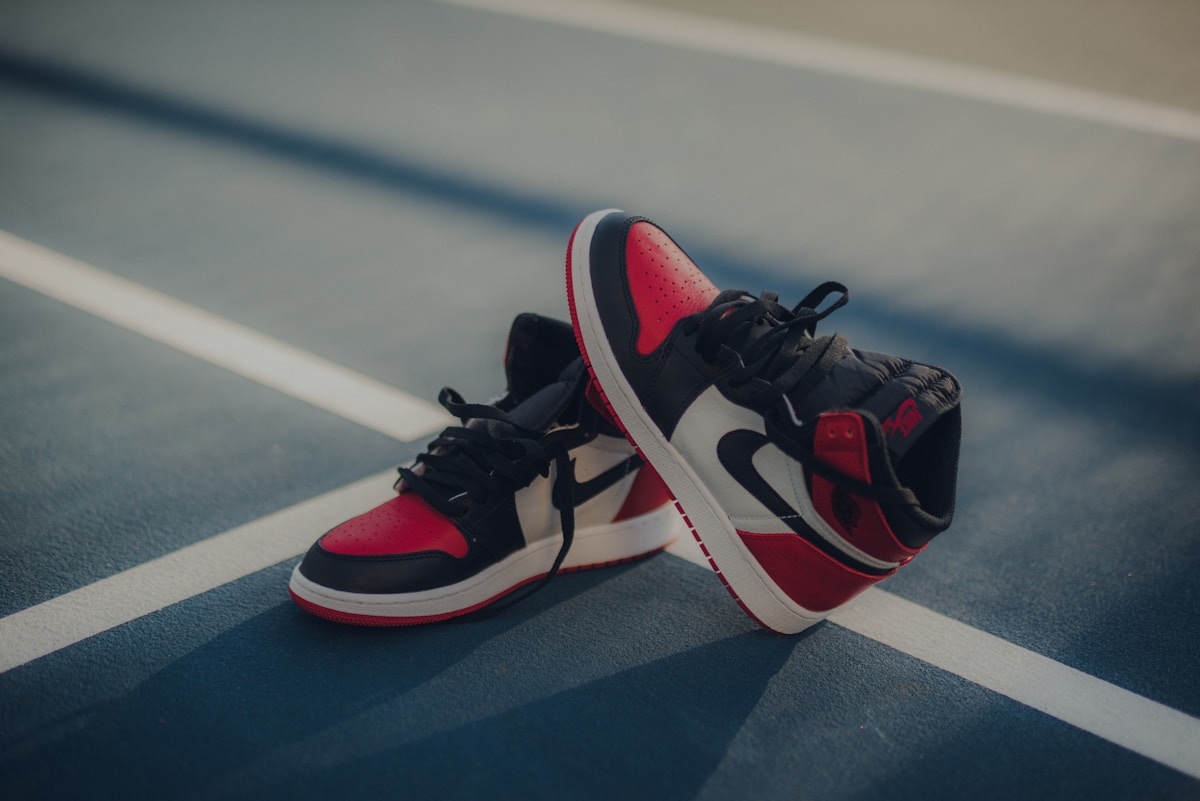
Sustainable sneakers dominate 2026 footwear trends, with slim silhouettes and retro runners made from eco-materials taking center stage. VEJA's Campo and V-10 models use wild rubber from Amazonian forests, organic cotton, and recycled plastics, while Allbirds' Tree Runners incorporate eucalyptus fiber for breathability and sugarcane-based foam midsoles. These choices cut water usage dramatically—VEJA claims 4x less water than traditional sneakers—and support fair labor. Practical advice: Size up half for wide feet to accommodate natural materials that mold over time. Pair with straight-leg jeans for clean lines or joggers for athleisure. Durability tip: Rotate pairs to allow midsoles to recover, extending life to 500+ miles. With resale markets growing, these sneakers hold value better than fast-fashion alternatives, proving sustainability can be economically smart in street culture.
Recycled Denim Jeans: Timeless Durability Meets Eco-Innovation
Recycled and organic denim jeans offer the rugged authenticity streetwear demands while addressing cotton's heavy footprint. Brands like MUD Jeans and Triarchy use post-consumer recycled cotton blends or regenerative farming practices, reducing water consumption by up to 90% and eliminating virgin cotton dependency. MUD Jeans' lease model lets you return worn pairs for recycling, closing the loop. For fit, go for straight or loose cuts that pair with hoodies or tees effortlessly. Styling suggestion: Cuff at the ankle to showcase sustainable sneakers. Care tip: Spot-clean instead of full washes and freeze overnight to kill bacteria, preserving indigo dye and shape. These jeans often outlast conventional pairs by 2-3x, making them a smart investment for collectors building versatile wardrobes.
Multifunctional Accessories: Caps and Bags for Everyday Utility
In 2026, sustainable accessories like organic cotton caps and recycled nylon bags add functionality without excess. Patagonia’s Fitz Roy Trucker or similar GOTS-certified caps use low-impact dyes, while recycled backpacks from brands like GOT BAG repurpose ocean plastic into durable, water-resistant carriers. These pieces reduce single-use plastic reliance and offer versatility—caps shield from sun, bags handle commutes or gym sessions. Practical tip: Choose adjustable fits and reinforced stitching for longevity. Style with monochromatic outfits to let the eco-material story shine subtly. By selecting multifunctional items, you minimize wardrobe bloat, aligning with slow fashion's emphasis on intentional purchases that serve multiple purposes in street culture.
总结
As 2026 unfolds, embracing sustainable streetwear singles isn't just about staying on-trend—it's about making informed choices that respect both style and the planet. By prioritizing organic cotton hoodies, recycled tees and denim, eco-sneakers from VEJA or Allbirds, and multifunctional accessories, you build a wardrobe that's durable, versatile, and environmentally responsible. These pieces prove that street culture can thrive without contributing to overproduction or resource depletion, as evidenced by growing adoption among brands and consumers alike. Start small: replace one fast-fashion item with a high-quality sustainable alternative, and watch the impact compound over time. Explore certified labels, support circular initiatives, and share your looks to inspire others. In the end, true streetwear authenticity comes from pieces that last, tell a story, and reflect values worth standing behind. Upgrade your rotation today—your style and the streets will thank you.